
Why Pre-Surgery Blink Tracking Matters More Than Most Patients Expect
Many people preparing for elective eye surgery overlook a tiny, easy-to-miss pre-procedure assessment that directly impacts their final visual outcome.
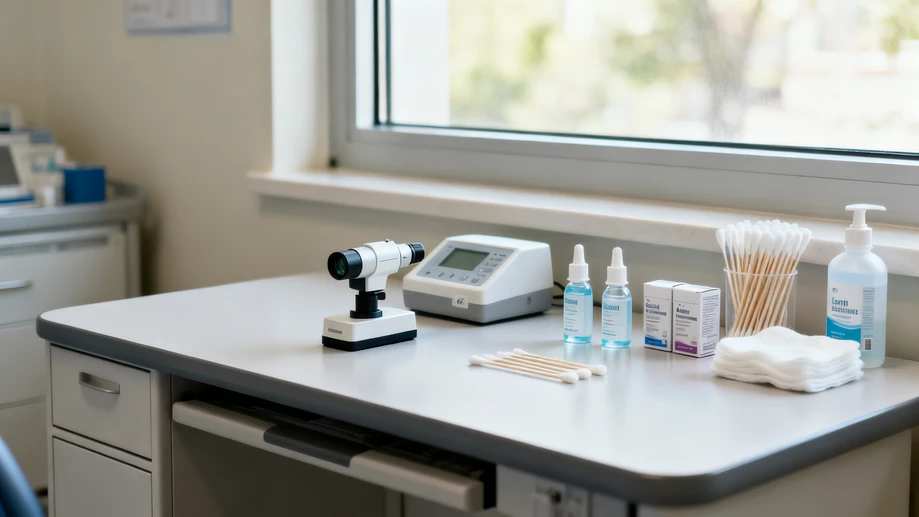
Walk into any pre-operative assessment clinic for refractive eye surgery, and you will see rows of patients flipping through health education pamphlets, scrolling through social media, or discussing their expected visual outcomes with friends, most of them fixated on their diopter numbers, corneal thickness readings, and expected post-surgery recovery time. Very few of these first-time patients expect to be asked to do something as seemingly trivial as sitting still for three full minutes, looking at a small fixed green dot on a screen, while a hidden high-speed camera records every single one of their blinks without any obvious external device touching their face. Many even ask nurses half-jokingly if this part of the checkup is a fun new add-on for medical data research, and most do not realize that this short, unremarkable 3-minute test is one of the most critical screening steps that can decide whether their surgery can be scheduled as planned, or whether they need a few extra days of pre-adjustment to avoid unwanted post-surgery side effects.
The core logic behind this blink tracking assessment ties directly to the stability of the tear film that covers the entire surface of the cornea, a thin layer of liquid most people do not notice until they start feeling dry eyes after a long workday in front of a screen. For the eye surgery process to deliver precise, predictable results, the corneal surface must stay completely smooth and evenly moist during every step of the operation, because even a tiny, 2-micron break in the tear film can create a tiny uneven patch on the corneal surface that shifts the position of the surgical laser’s focal point. Regular patients who maintain a natural, healthy blink rhythm of 15 to 20 full blinks per minute will have a tear film that stays unbroken for more than 15 seconds at a time, which provides the perfect consistent surface for surgeons to map and operate on, but a large share of modern people who spend 8 to 12 hours a day staring at digital screens can have their average blink rate drop to as low as 5 to 7 blinks per minute, leading to tiny, frequent tears in the tear film that they never feel in their daily life.
Unlike other formal pre-surgery tests that measure hard physical indicators, blink tracking captures unconscious habits that patients often forget to mention during their consultation. A lot of patients will tell their surgical team that they do not wear contact lenses regularly and never stay up late playing on their phones, but their test data will show that they unconsciously suppress full blinks every time they focus on a fixed point for more than 3 seconds, a telltale sign of long-term digital overuse that no amount of deliberate practice can hide during a 3-minute observation window. Even patients who follow the rule to stop wearing soft contact lenses 3 full days before their pre-assessment can still carry this suppressed blink habit over from years of daily contact lens wear, because the long-term pressure of the lens on the corneal surface changes the nerve sensitivity of the eye surface for a short period, making people less likely to trigger a natural full blink.
The good news for patients who get a substandard reading from this blink tracking test is that the required adjustment period is almost never long or complicated. Most clinics will give these patients a simple 7-day routine to follow before their recheck, which includes practicing full, deliberate blinks for 10 seconds every 20 minutes when using a screen, using non-preservative artificial tears 3 to 4 times a day, and avoiding staying up late to view small, bright phone screens in dark rooms. More than 80 percent of patients who follow this simple routine will see their tear film stability and blink rhythm return to the acceptable range on their second check, and they can still move forward with their surgery plan without unnecessary delays. For the small number of patients who still do not meet the standard after a week of adjustment, the extra waiting time is not a punitive measure, but a protective step that reduces their risk of facing prolonged post-surgery dry eye, ghosting around light sources, or unplanned slight vision drift in the first 6 months after the procedure.
For decades, many patients have been told that the success of eye surgery relies entirely on the precision of surgical equipment and the skill of the operating surgeon, but this tiny pre-operative test reveals how much of the final good outcome relies on small, easy to ignore personal physiological states that no piece of equipment can fully adjust for. The 3-minute blink tracking process does not show up on most mainstream health education guides about pre-eye-surgery preparation, but it has quietly become a standard step in most modern pre-surgery assessment workflows, saving countless patients from avoidable discomfort after their procedure. It is exactly these unglamorous, unadvertised small checks that build the solid foundation of a safe, successful eye surgery experience that leaves patients with the clear, stable vision they have been looking forward to for years.