Is Your Screen Stealing Your Sight?
Uncover the hidden dangers of digital devices on your vision and learn simple steps to protect your precious eyes.
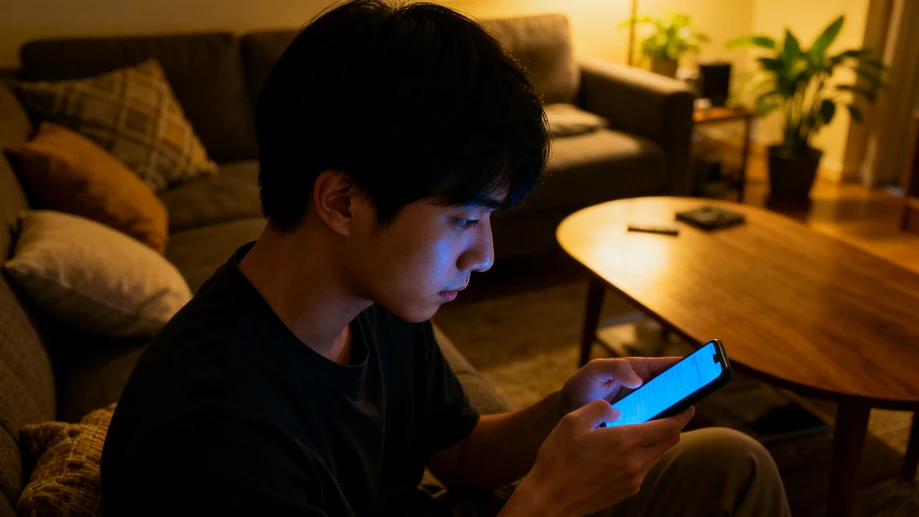
In our modern, screen-filled world, it is easy to spend hours scrolling through social media, binge-watching shows, or working on laptops without a second thought. But what if this daily habit is quietly chipping away at your vision? Myopia, or nearsightedness, is skyrocketing globally, with experts predicting that by 2050, half the world's population will be affected. This isn't just a vague concern—it's a real, growing epidemic that starts innocently enough. Think about it: how often do you find yourself squinting at your phone in dim light, only to realize your eyes ache afterward? The connection between our digital lifestyles and this vision thief is stronger than we might think, making it crucial to understand why it's happening and how to fight back before it's too late.
The root cause of myopia lies in how our eyeballs adapt to our environment. Normally, light enters the eye and focuses directly on the retina for clear distance vision. But when we spend excessive time staring at close-up objects—like screens—the eyeball elongates over time, causing light to land in front of the retina instead. This results in blurry distance vision, a hallmark of myopia. While genetics play a small role, environmental factors are the real culprits. Studies show that children who spend less than two hours a day outdoors are twice as likely to develop myopia. Why? Natural sunlight triggers the release of dopamine in the eye, which helps regulate healthy growth. Without it, combined with prolonged near-work, our eyes undergo changes that can lead to permanent damage. It is a silent transformation, often unnoticed until vision tests reveal the truth.
Ignoring myopia does more than just force you to wear glasses; it opens the door to severe health risks. As the condition progresses, it strains the delicate structures of the eye, increasing the likelihood of complications like glaucoma, cataracts, or even retinal detachment later in life. Imagine your world slowly narrowing—street signs becoming fuzzy blurs, faces at a distance losing detail—until everyday tasks like driving or recognizing friends become daunting challenges. Beyond physical ailments, myopia can impact mental well-being, leading to frustration and reduced confidence, especially in social settings. It is not an isolated issue; it affects productivity, safety, and quality of life, turning a simple focus problem into a cascade of real-world consequences.
Fortunately, preventing or slowing myopia does not require drastic measures—it's all about smart, everyday habits. The famous 20-20-20 rule is a game-changer: for every 20 minutes spent on screens, pause and gaze at something 20 feet away for at least 20 seconds. This simple break relaxes eye muscles and reduces strain. Equally important is getting outdoors; aim for at least one to two hours of daylight exposure daily, as this natural light helps maintain normal eye development. Adjust your screen settings, too—increase font sizes, use blue-light filters, and ensure proper lighting to avoid squinting. For parents, encourage kids to balance screen time with outdoor play; it's a fun, effective shield against early myopia. These strategies are backed by research, offering a practical defense without needing fancy gadgets or medical interventions.
Let's bust some common myths about myopia to keep things clear. One widespread belief is that reading in low light causes nearsightedness—nope, it only causes temporary eye strain, not permanent changes. Another misconception is that glasses or contacts cure myopia; they merely correct vision, not halt the underlying progression. And forget the old wives' tale about carrots being magic bullets for perfect sight—while a balanced diet rich in vitamins A and C supports eye health, it won't reverse myopia. The key takeaway? Prevention beats correction. By adopting proactive measures early, you can maintain sharper vision and avoid costly treatments down the line, turning potential doom into a manageable part of daily life.
In wrapping up, protecting your eyes from myopia boils down to mindfulness and small, consistent actions. Embrace the outdoors, limit screen binges, and practice those eye breaks to build resilience against this modern menace. Remember, your vision is irreplaceable—a gateway to experiencing the world's wonders. So, next time you reach for your device, pause and ask: is this screen worth the risk? With awareness and effort, you can enjoy technology without sacrificing your sight, ensuring a brighter, clearer future ahead.