5 Eye-Opening Truths About Nearsightedness That Could Change Your Life
Discover the hidden dangers and simple fixes in this growing global health crisis.
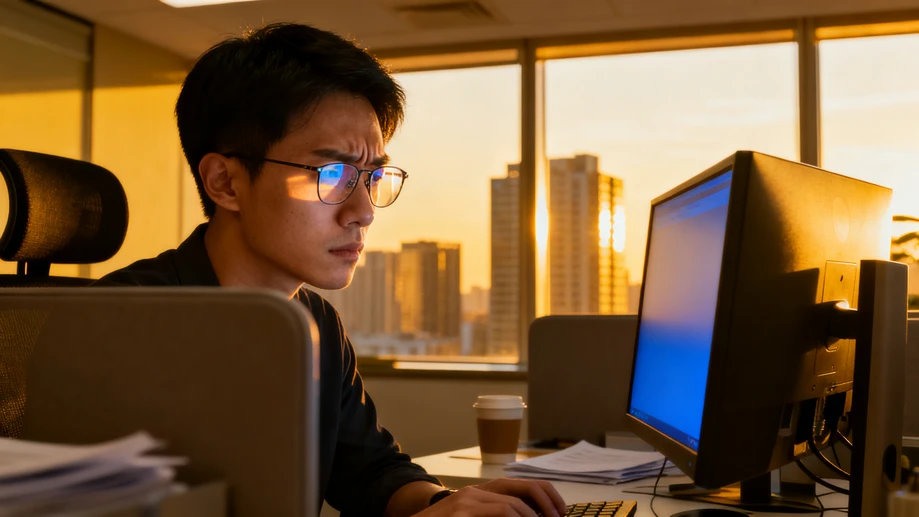
Imagine a world where blurry vision isn't just an inconvenience but a ticking time bomb for your eyes. That's the reality for over 2.6 billion people globally who suffer from nearsightedness, a condition predicted to affect half the world's population by 2050. But why should you care? Think about your daily routine: hours glued to screens, squinting at tiny text, or even missing out on the beauty of a sunset because everything beyond arm's length is fuzzy. This isn't science fiction—it's a modern epidemic fueled by our lifestyles. From kids struggling in school to adults battling eye strain at work, nearsightedness is stealing clarity from our lives. What if I told you that understanding a few surprising facts could help you dodge this fate? Stay tuned as we dive into this eye-opening journey, packed with insights that might just make you rethink every glance at your smartphone.
First off, nearsightedness—or myopia—isn't just about needing glasses for distance vision. It's a condition where the eye grows too long, causing light to focus in front of the retina instead of directly on it. The result? Objects far away look blurred, while close-up items stay sharp. But here's the twist: many people assume it's purely genetic, like inheriting your grandma's blue eyes. In reality, genes play a role, but modern habits are the real culprits. For instance, studies show that kids who spend less than two hours a day outdoors have a 30% higher risk of developing myopia. This "indoor epidemic" is why cities like Seoul report over 90% of teens being nearsighted—a stark contrast to rural areas where nature time acts as a shield. It's almost as if our eyes are rebelling against our love for cozy couches and digital screens.
Now, let's bust a myth: nearsightedness isn't harmless just because glasses or contacts can correct it. Untreated, it can escalate into serious complications like retinal detachment or glaucoma, which could lead to permanent vision loss. Shockingly, research reveals that high myopia increases the risk of these issues by up to 10 times. Think of it like a silent alarm—what starts as squinting at road signs might morph into emergency eye surgery later. But the real kicker? Our constant screen time isn't just making us blink less; it's altering how our eyes develop. Blue light from devices doesn't directly cause myopia, but it fatigues the eyes and encourages "near-work" habits that strain them. Remember how your mom warned you not to read in dim light? She was onto something—poor lighting accelerates this process, turning everyday actions into vision threats.
Prevention is where hope shines bright. Simple daily tweaks, like spending 60 minutes outdoors daily, can slash your risk by 25%. Sunlight boosts dopamine in the retina, which helps regulate eye growth, almost like a natural eye trainer. Plus, adopting the 20-20-20 rule—take a 20-second break every 20 minutes to look 20 feet away—can reduce digital eye strain. Don't overlook diet either; foods rich in omega-3s and vitamins, like salmon and carrots, support eye health. I've seen friends swap endless scrolling for evening walks, and their optometrist reports show marked improvements. It's empowering: you don't need high-tech gadgets, just consistent habits to keep your vision sharp. Start today by setting screen-time limits and embracing nature—it's a win for your eyes and your peace of mind.
Wrapping up, nearsightedness isn't an inevitable curse of modern life; it's a wake-up call. With early detection through regular eye exams—something often skipped due to busy schedules—you can catch issues before they worsen. The beauty of this knowledge? It transforms fear into action. If you're reading this on your phone, pause now. Look outside, soak in the view, and remind yourself that clear vision is a gift worth protecting. Share this with friends and family, because awareness spreads faster than myopia ever could. Together, we can turn the tide on this silent epidemic and see the world in all its crisp, vibrant glory.