
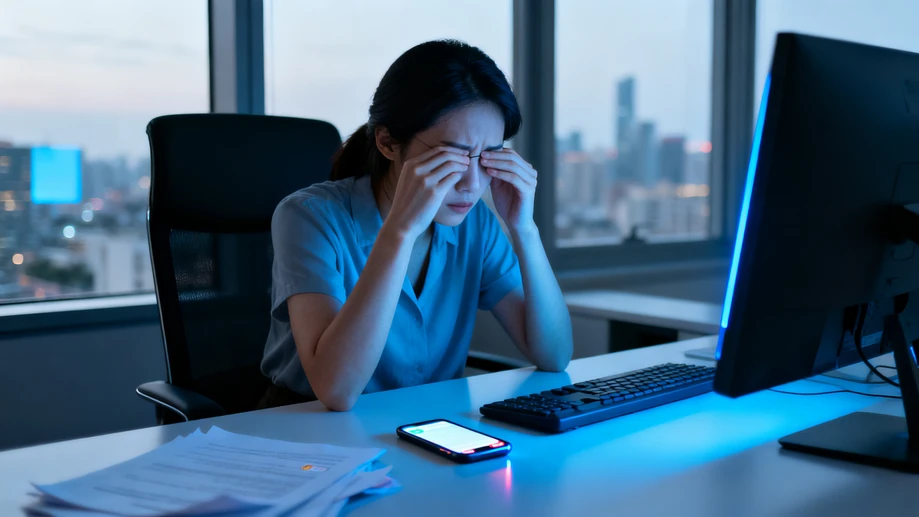
5 Unexpected Culprits Behind Your Burning, Tired Eyes
Unmasking the hidden triggers turning your screen time into an eye-watering battle
You're scrolling through your tenth cat video of the evening when suddenly your vision blurs. Your eyes feel like they've been rubbed with sandpaper, and blinking offers only momentary relief. Welcome to the modern epidemic of digital eye strain – a condition affecting over 60% of screen users worldwide. But what if we told you your smartphone isn't the only villain? That innocent-looking desk fan blowing cool air toward your face might be stealing precious moisture from your eyes with every rotation. Even your favorite "healthy" salad could be secretly sabotaging your ocular comfort through unexpected nutritional deficiencies. The truth is, our eyes are facing a perfect storm of invisible attackers in daily life.
Dry eye disease occurs when your tear film – that miraculous three-layered liquid protecting your cornea – fails at its job. Imagine your tears as a microscopic sandwich: the mucus layer sticks tears to your eye, the watery middle layer nourishes cells, and the oily top layer prevents evaporation. When this delicate system falters, you experience gritty sensations, redness, and fluctuating vision. Surprisingly, many sufferers don't realize their "allergies" or "tiredness" actually stem from chronic dryness. The real shocker? Your eyes might be producing enough tears while simultaneously losing them faster than a leaky bucket. This evaporation game explains why you can have watery eyes yet still feel like you're blinking over broken glass.
Modern life has quietly declared war on our peepers. Consider your office environment: air conditioning reduces humidity to desert-like levels below 30%, while heating systems create convection currents that whisk away tears. That stylish floor-to-ceiling window flooding your workspace with natural light? It's also exposing you to high-energy visible (HEV) blue light that disrupts tear production. Even your digital detox habits backfire – reading physical books under dim light forces intense focusing that reduces blink rates by 66%. And here's the twist no one mentions: your posture matters. Slouching decreases blood flow to ocular tissues, while tilting your head down increases exposed eye surface area, accelerating tear evaporation. Who knew spinal alignment affected tear stability?
Your medicine cabinet hides surprising offenders. That antihistamine you pop for seasonal sniffles? It's drying your eyes while drying your nose. Birth control pills and blood pressure medications often list "dry eyes" in their side effects. Even innocent-seeming skincare routines contribute – retinol creams migrating near eyelids disrupt meibomian glands that produce essential tear oil. Dietary choices play starring roles too. Omega-6 heavy diets (think processed snacks) promote inflammation, while omega-3 deficiency prevents proper oil secretion. And that trendy intermittent fasting? It may reduce tear production during extended non-eating periods. The ultimate irony? Drinking eight glasses of water daily doesn't guarantee hydrated eyes if your tear composition remains unbalanced.
Revolutionizing eye comfort requires strategic countermeasures. Start with the 20-8-2 rule: every 20 minutes, focus on something 8 feet away for 2 minutes. This resets focusing muscles and boosts blink rates. Place humidifiers near workstations to maintain 40-60% humidity – tropical plants make natural alternatives. When outdoors, wear wrap-around sunglasses blocking UV and HEV light. Nutritionally, load up on salmon, walnuts, and chia seeds for omega-3s while reducing inflammatory vegetable oils. For instant relief, try "blink training": close eyes gently, pause two seconds, squeeze lightly, then open slowly. This stimulates oil glands better than rapid-fire blinking. If symptoms persist, see an eye specialist – modern diagnostics can analyze tear composition and pinpoint whether you're lacking water, oil, or both.
Your eyes endure more daily assaults than a medieval castle under siege. By recognizing hidden triggers from air currents to afternoon snacks, you transform from passive sufferer to empowered defender. Remember, comfortable vision isn't about eliminating screens but creating an ocular-friendly ecosystem. Implement one change this week – perhaps repositioning your desk fan or adding flaxseed to your smoothie. Your future self will thank you with clearer, brighter, and significantly less cranky vision. After all, life's too beautiful to view through a fog of discomfort.