You Won't Believe These Eye Health Myths!
Debunking Common Vision Misconceptions with Science
Our eyes are precious, yet we often rely on outdated advice that sounds plausible but is simply wrong. Think you know all about protecting your peepers? Prepare for some eye-opening surprises! From carrots to computer screens, generations have passed down "truths" that science has thoroughly debunked. Let's pull back the curtain on these persistent optical illusions and reveal what really keeps your vision sharp.
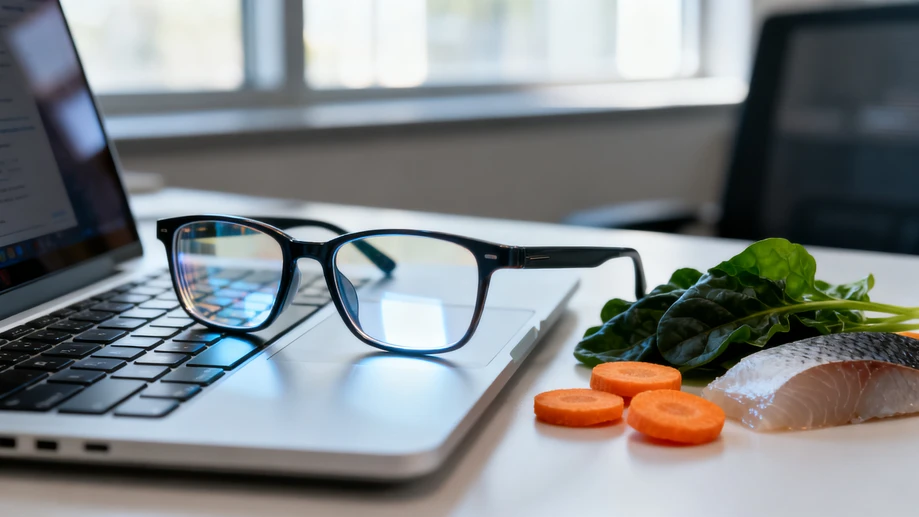
One stubborn myth insists that sitting too close to the TV ruins your eyesight. While it might give you a headache or eye strain, science confirms it won't cause permanent damage. Similarly, reading in dim light gets blamed for worsening vision. In reality, it just makes your eyes work harder temporarily, like running up a hill – tiring but not destructive. Perhaps the most persistent fairy tale? That eating carrots gives you superhero night vision! While carrots contain vitamin A (essential for eye health), gorging on them won't help you see in pitch darkness. A balanced diet with leafy greens, fish, and eggs is far more effective.
Another common frightener: "Wearing glasses too often makes your eyes lazy and dependent!" Absolutely false! Glasses and contacts correct blurred vision; they don't weaken your eyes any more than shoes make your feet lazy. If you need them, wear them proudly! Then there's the modern panic: "Staring at screens emits harmful blue light that permanently destroys your retina!" While excessive screen time *does* cause digital eye strain (dryness, headaches, fatigue), the blue light from standard devices isn't powerful enough to cause physical retinal damage. The real villain? Uninterrupted focus – we forget to blink!
Perhaps the sneakiest myth is that "Healthy eyes don't need check-ups if vision seems fine." Eye diseases like glaucoma and macular degeneration often creep in silently with zero early symptoms. Regular comprehensive eye exams are the *only* way to catch these thieves of sight before irreversible damage occurs. Don't wait for warning signs that may never come! And let's bust the idea that "Eye exercises can magically cure nearsightedness." While targeted exercises can help with eye coordination issues, there's zero credible evidence they reshape your eyeball or reverse refractive errors like myopia. That requires corrective lenses, ortho-k, or laser surgery.
So, what *actually* protects your vision? Start with yearly eye exams – your optometrist is your eye's best friend. Follow the 20-20-20 rule: every 20 minutes, look at something 20 feet away for 20 seconds to combat digital eye strain. Wear 100% UV-blocking sunglasses outdoors, even on cloudy days. Eat a colorful diet rich in lutein, zeaxanthin, omega-3s, and vitamins C and E. And crucially, give your eyes the sleep they crave – it's prime healing time! Ditch the old wives' tales and embrace these evidence-based habits for brilliantly clear vision that lasts a lifetime.