10 Ways Your Phone Is Secretly Waging War On Your Eyes (And How To Fight Back)
Uncover simple, science-backed tricks to protect your vision in the digital jungle.
Your smartphone is like a mini sun in your pocket, constantly bathing your retinas in a blue-tinted glow. But unlike sunshine on a spring day, this artificial light exposure isn't whispering sweet nothings to your peepers. It's more like a persistent, low-level siege, contributing to digital eye strain with its unwelcome companions: dry eyes, blurry vision, headaches, and neck pain. Think of your eyes as tireless workers. They weren't designed for marathon sessions of staring at a fixed, bright object just inches away. That blinking habit you barely notice? It's your body's built-in refresh button, spreading essential tears to keep the ocular surface smooth and clear. Here's the kicker: studies show we blink a whopping 50-60% less when glued to screens, turning our eyes into miniature deserts. The solution isn't ditching tech (let's be real), but adopting smarter habits. Become a blink champion! Consciously remind yourself to blink fully and frequently while scrolling or working. It feels odd at first, but soon becomes second nature, offering instant relief from that scratchy, sandy feeling.
Ever felt like your eyes are screaming for an escape after hours of screen time? Your eyeballs are begging for a change of scenery. Enter the 20-20-20 Rule, your golden ticket to visual freedom. Every 20 minutes, look away from your screen and focus on something at least 20 feet away. Keep looking – really seeing it – for a full 20 seconds. This powerful pause isn't just a break; it's a reset button. It forces the tiny muscles inside your eyes (called ciliary muscles) that work overtime to maintain close focus on your screen to finally relax. It also gives your tear film a chance to redistribute evenly. Set a quiet timer, use a browser extension, or just notice when you finish a task – make it a non-negotiable ritual. The results? Less strain, fewer headaches, and eyes that feel less exhausted by the end of the day. It’s a mini-vacation for your vision, dozens of times a day.
Your device settings are ground zero in the battle for eye comfort. Stop treating them like an afterthought! Dialing down the brightness is crucial – aim for a level that matches the ambient light around you, not one that acts like a flashlight in a dark room. Cranking up the brightness too high dramatically increases glare and contrast, forcing your pupils to work harder. Activate the "Night Shift" (iOS) or "Blue Light Filter" (Android) feature, even during the day. These tools gently warm up the color temperature of your screen, reducing the amount of stimulating blue light emitted. While true blue light blocking glasses have their place, this built-in filter is a great first line of defense. Also, embrace larger font sizes! Squinting at tiny text puts unnecessary strain on your focusing muscles. Make your default text size comfortable enough to read without leaning in. Treat these adjustments not as concessions, but as essential ergonomic tweaks for your most valuable sensory tools.
Never underestimate the magic of real sunlight and distant vistas. Getting outdoors, even for short periods, is like a spa treatment for your eyes. Natural daylight is vastly more complex and diffuse than artificial light, providing a healthier stimulus. Studies increasingly suggest that regular time spent outside, especially for children, helps reduce the risk of developing myopia (nearsightedness). When you're indoors, position your desk near a window if possible. Take short breaks to gaze out at the horizon, clouds drifting by, or trees swaying in the wind. This natural 'distance viewing' is the ultimate eye exercise. If a window view isn’t available, simply looking across the longest room in your house offers significant benefits. This habit combats the 'tunnel vision' effect caused by constant near-work and encourages your eyes to use their full range of focusing ability. Let nature be your eye gym.
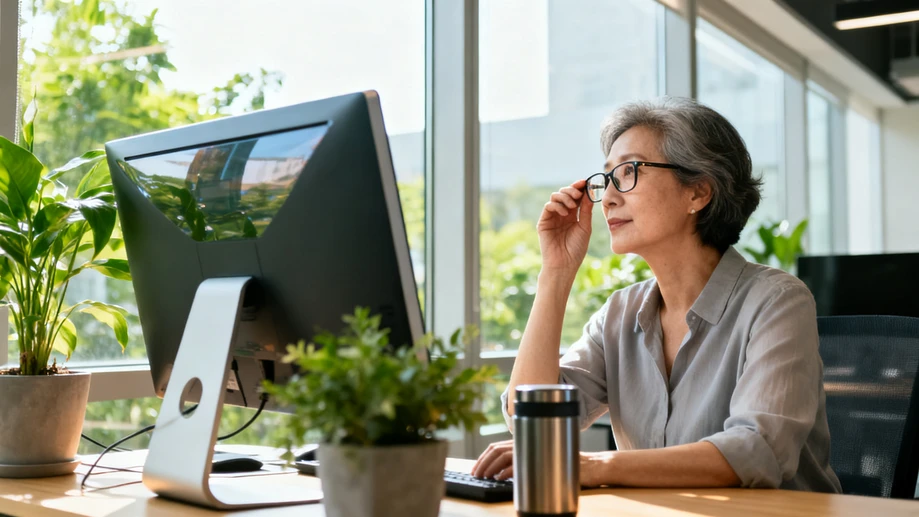
The final frontier of eye defense? Your workspace ergonomics and device positioning. Think of this as setting up a peace treaty zone. The old "arm's length" rule for monitors is outdated. For modern high-resolution screens, the sweet spot is often slightly further – about 20 to 26 inches from your eyes (roughly the length from your fingertips to your elbow). The top of your screen should be at or slightly below eye level, so you look slightly down, reducing strain on your neck and keeping more of your eye surface covered by the lid, minimizing tear evaporation. Beware the dreaded "laptop slump"! Using a laptop directly on a desk often forces you to look down too sharply. Prop it up on a stand and use a separate keyboard and mouse. For phones and tablets, avoid holding them too close or lying flat on your back looking down – this puts immense strain on your neck and eyes. Aim for a "1-2-10" rule: Hold phones 1 foot away, laptops 2 feet away, and desktop monitors roughly the length of your forearm (about 10 inches beyond your laptop distance). Conquer glare by positioning screens perpendicular to windows and using matte screen protectors. Creating this ergonomic oasis makes sustained focus sustainable.