
The Overlooked Pre Eye Surgery Check That Saves Many Patients From Unexpected Discomfort
Explaining why ophthalmologists prioritize tear film stability testing as a core part of pre-operative assessment rather than skipping it to speed up surgery scheduling
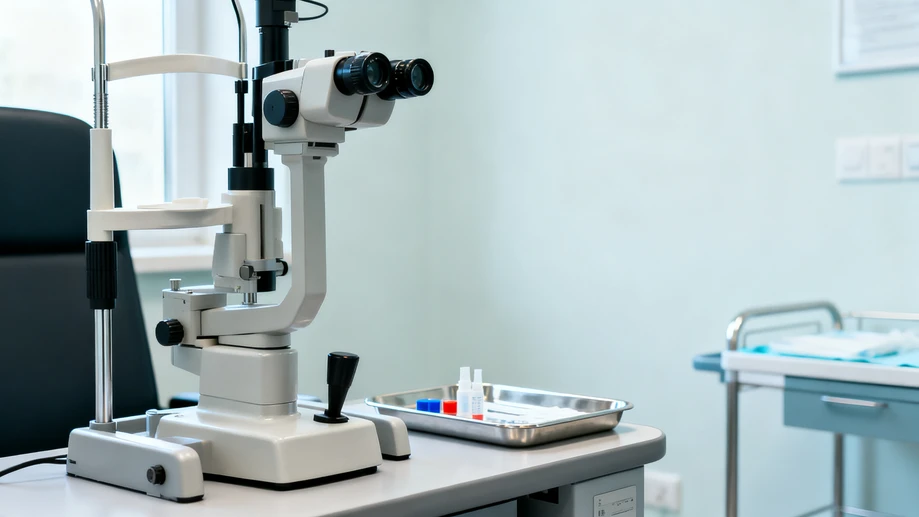
Most people who book an elective eye surgery, whether for vision correction or age-related cataract removal, walk into the pre-op clinic expecting quick, straightforward checks: a round of vision tests, a quick pressure reading inside the eye, and a quick review of their medical history to rule out obvious contraindications. Many are caught off guard when the care team leads them to a slit lamp station, drips a tiny, mild non-irritating dye into their eye, and asks them to blink normally for a full minute while watching the surface of their cornea closely. Some even start to check their watches, wondering why the clinical team is wasting precious surgical time on what looks like an arbitrary, unimportant step, when the operating room slots are often scheduled back to back with barely any gap between different patients. What they do not realize is that this very small, non-invasive check is one of the most valuable safeguards against unnecessary post-operative distress that very few people talk about in pre-surgery orientation sessions.
This check measures the tear film break-up time, a simple metric that tracks how long the thin, delicate layer of moisture coating the entire surface of the eye stays intact after a full, natural blink. A large share of modern adults who spend 8 or more hours a day looking at digital screens have mild, unnoticeable tear film instability, and most of them have never identified the issue before they step into an eye clinic for surgery. They might occasionally notice a little blurriness in their vision after a long work meeting, or mild stinging when they step out into a windy day in winter, but they brush these tiny symptoms off as normal tiredness, never realizing that the lipid layer that keeps their eye surface moist is far thinner and more fragile than the average person’s. For people who wear contact lenses regularly for years, this hidden mild dry eye is even more common, since extended contact lens wear slowly alters the natural production of meibum that makes up the protective outer layer of the tear film, without triggering obvious symptoms for most of their daily lives.
If a surgical team skips this quick check and proceeds directly with the planned surgery, even the most minimally invasive procedure with micro-incisions will temporarily disrupt the already fragile tear film structure on the cornea, leading to a dramatic drop in tear film stability right after the procedure. Instead of the mild, manageable dryness that most patients expect for the first few days post-op, these patients will face persistent gritty, sand-in-the-eye sensations that do not fade away even with constant use of over-the-counter artificial tears. Many of them will grow worried that their surgery failed, or that they will have permanent discomfort for the rest of their lives, leading to unnecessary anxiety, extra follow-up visits, and weeks of reduced quality of life that could have been completely avoided before the surgery even started. Clinical data from large public ophthalmology departments shows that nearly 30 percent of unexpected post-operative comfort complaints can be traced directly back to unaddressed pre-existing tear film instability that was not caught before the procedure.
When the tear film break-up time check flags an unstable eye surface before the scheduled surgery, most care teams will simply push the surgery date back by one to two weeks, and prescribe a short course of preservative-free artificial tears alongside simple guidance on proper blinking habits and warm meibomian gland compresses. In some cases, they may run a quick, gentle meibomian gland expression session to clear blocked oil glands before the patient is cleared for surgery. Many patients initially grumble about the short delay, but nearly all of them report that their post-surgery recovery is far smoother, with none of the unexpected stinging or blurry near vision that their acquaintances told them to expect. The entire check adds less than five minutes to the pre-op assessment workflow, but it eliminates weeks of potential discomfort that no amount of post-operative pain management can easily resolve.
For anyone who is waiting for a scheduled eye surgery in the near future, it is well worth taking a moment to accept this small check without rushing the clinical team, instead of writing it off as an unnecessary bureaucratic step. So many of the quiet, little procedures in pre-op care come directly from decades of accumulated clinical experience, collected from thousands of past cases that helped teams identify tiny hidden risks that would otherwise slip through the cracks. Taking that extra five minutes to make sure the surface of the eye is in the best possible shape before the procedure starts will never be a waste of time, and it will leave patients with a far more positive, stress-free recovery experience than they ever expected.