5 Eye Health Habits You're Probably Getting Wrong
Discover the surprising ways your everyday routines could be secretly damaging your vision without you even noticing.
We all know that eye health is crucial, but let's face it—most of us treat our eyes like they're invincible superheroes. We stare at screens for hours, skip sunglasses on sunny days, and rely on quick fixes like eye drops without a second thought. Yet, these habits are silently sabotaging our vision, leading to issues like digital eye strain, cataracts, and dry eyes. In this article, we'll dive into five common eye health mistakes that people make every day, backed by real-world examples and expert advice. You'll be shocked to learn how simple changes can prevent long-term damage and keep your eyes sparkling for years to come. So, grab a cup of tea (but not too close to your screen!), and let's uncover the truth behind these vision villains.
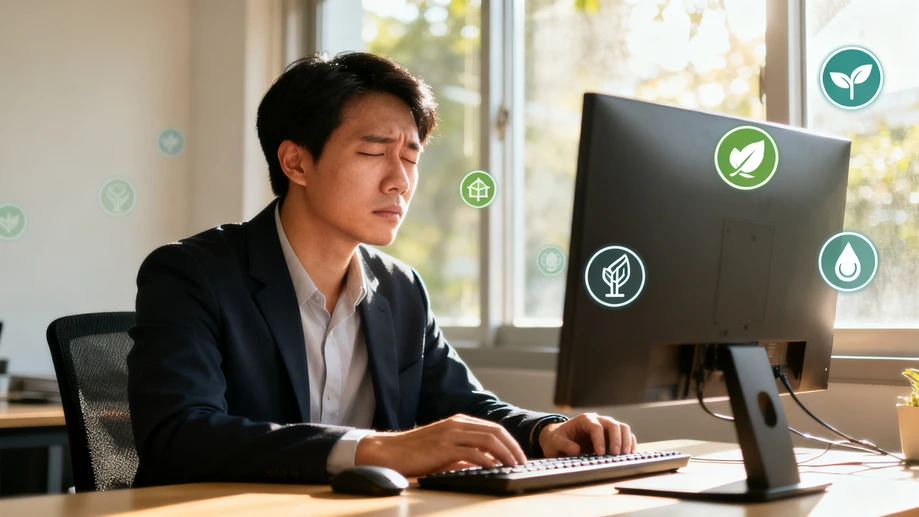
First up, the screen time trap. In today's digital world, we spend an average of 7 hours a day glued to our phones, laptops, and TVs. But here's the kicker: prolonged exposure to blue light can cause digital eye strain, with symptoms like headaches, blurred vision, and dry eyes. A fun fact? Your eyes blink 66% less when you're focused on a screen, leading to that gritty, tired feeling. To avoid this, try the 20-20-20 rule: every 20 minutes, look at something 20 feet away for 20 seconds. It's like giving your eyes a mini-vacation! For instance, set a timer on your phone—it's a simple trick that can make a huge difference. Remember, your eyes aren't designed for marathon Netflix sessions; treat them kindly, and they'll reward you with clearer sight.
Next, the sun's sneaky assault. Many of us skip sunglasses on cloudy days or think they're just a fashion accessory, but UV rays are always lurking, ready to damage your corneas and increase the risk of cataracts. Picture this: a sunny afternoon at the beach without shades is like inviting tiny sunburns to your eyes. Real-life stories abound, like Sarah, a hiker who ignored UV protection and developed early signs of photokeratitis (a painful sunburn of the eye). The solution? Invest in quality sunglasses with 100% UV protection—they're not just for summer! Wear them year-round, even in winter when snow reflects up to 80% of UV light. It's an easy habit that shields your eyes from invisible harm, turning you into a vision superhero.
Then there's the eye drop dilemma. Over-the-counter drops seem harmless, but overusing them can create a vicious cycle of dependency. For example, redness-relief drops constrict blood vessels for quick relief, but your eyes rebound with even more redness when the effect wears off. This is called rebound hyperemia, and it's like your eyes throwing a tantrum! A better approach? Use preservative-free artificial tears for dryness, and always consult an eye doctor before self-medicating. Think of it as giving your eyes a gentle hug instead of a harsh shake. Plus, avoid sharing drops—it's a hygiene no-no that can spread infections. By ditching the quick fixes, you'll nurture healthier eyes naturally.
Ignoring regular check-ups is another silent saboteur. Many people wait until they have symptoms to see an eye specialist, but by then, issues like glaucoma or macular degeneration might be advanced. It's like driving a car without ever checking the oil—eventually, it'll break down. Annual exams can catch problems early; for instance, a simple test can detect diabetic retinopathy before vision loss occurs. Make it fun: schedule your appointment during a lunch break and treat yourself afterward. Early detection saves sight, so don't procrastinate—your eyes deserve that TLC.
Finally, bad reading habits creep in unnoticed. Reading in dim light or holding books too close forces your eyes to strain, leading to fatigue and myopia. Imagine curling up with a novel under a single dim lamp—it's cozy but cruel to your peepers. Instead, ensure proper lighting: use a bright, indirect light source and maintain a comfortable distance (about 16-18 inches from screens or books). Also, take breaks to stretch and blink often. These small tweaks can prevent long-term issues, keeping your eyes sharp for all life's adventures.