
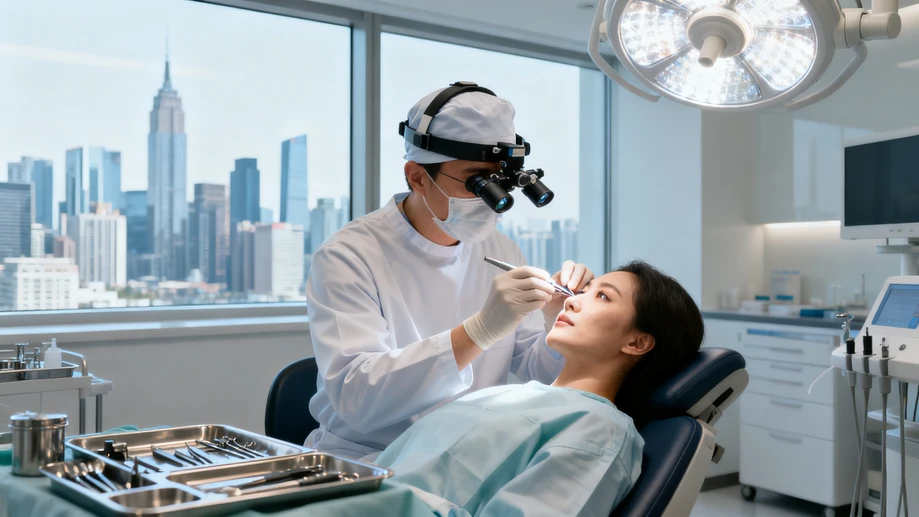
The Eyes Have It: Unveiling the Art and Science Behind Modern Eye Enhancements
Discover how subtle tweaks are rewriting beauty standards from Seoul to Beverly Hills
Imagine windows to the soul getting a strategic architectural upgrade. Across bustling clinics from Gangnam to Manhattan, eye enhancement procedures have evolved from whispered secrets to mainstream beauty rituals. What was once considered exclusive to celebrities now fills coffee shop conversations among millennials and Gen Z alike. This renaissance isn't about radical transformation but precision engineering – millimeter adjustments that brighten weary gazes, soften harsh lines, and restore youthful contours. The driving force? Our selfie-obsessed culture where high-resolution cameras expose every sleep-deprived crease and asymmetrical lid. Interestingly, the most requested look isn't dramatic change but that elusive "well-rested vacation glow" achievable even after three all-nighters.
The magic unfolds through surprisingly refined techniques. Double eyelid surgery, once a one-size-fits-all operation, now offers customizable designs: the soft "invisible fold" for naturalists and the defined "parallel crease" for makeup enthusiasts. Meanwhile, non-surgical options like tear trough fillers have become lunchtime miracles – dissolving dark circles in under thirty minutes with hyaluronic acid. The real showstopper? Lateral canthoplasty, which delicately lifts the outer eye corners to reverse the dreaded "puppy dog droop" that makes people constantly ask if you're sad. Surgeons wield lasers like artists' brushes, vaporizing excess under-eye bags with pixel-perfect accuracy while leaving no visible scars. These micro-adjustments create optical illusions: fractions of a millimeter can make irises appear larger, faces more symmetrical, and expressions permanently refreshed.
Beyond vanity, these procedures solve functional frustrations. Heavy hooded lids that once required constant eyebrow gymnastics to maintain vision get liberated through blepharoplasty. Asian patients often discover their "monolids" actually conceal natural creases – releasing them enhances eye definition previously masked by epicanthal folds. The recovery narrative has dramatically shifted too. Gone are the weeks of conspicuous bruising; modern techniques involve internal sutures that dissolve invisibly. Patients now comfortably stream Netflix with cooling gel masks while their incisions heal, posting progress selfies by day five. Even the consultation process feels like a tech conference – surgeons use 3D imaging to simulate outcomes, allowing clients to "test drive" potential results before committing.
This evolution carries fascinating cultural fingerprints. Korean beauty clinics pioneered the delicate "aegyo-sal" procedure – strategically creating or enhancing the cute under-eye fat pocket that makes smiles appear instantly brighter. Western clinics countered with the "fox eye" trend, achieving almond-shaped uplift through clever thread techniques. Yet the most heartening shift is the move away from ethnic erasure. Surgeons now proudly proclaim: "We enhance your inherent beauty rather than imposing new features." Chinese patients request "phoenix eyes" that honor traditional aesthetics, while Mediterranean clients preserve their signature deep-set drama. The consultation chair has become a confessional where people articulate desires beyond aesthetics – "I want to look as energetic as I feel" or "I'm tired of looking perpetually exhausted."
The future glimmers with smart innovations. Bio-stimulating threads gradually trigger collagen production while lifting lids, with effects improving over months. Fat repositioning techniques recycle under-eye bulges to replenish sunken areas – nature's own filler. Regenerative medicine offers promise too: platelet-rich plasma injections harness the body's healing power to rejuvenate delicate eye skin without foreign substances. However, experts emphasize that eyes remain the most emotionally expressive canvas. Dr. Elena Rodriguez, a Beverly Hills oculoplastic surgeon, notes: "My job is balance. Over-lifted eyes create perpetual surprise; under-correction leaves disappointment." The golden rule? Eyes should whisper enhancement, not shout alteration – because nothing reveals truth quite like an authentic gaze.