Are You Ruining Your Eyes with These Myths?
Discover the surprising truths behind everyday eye health misconceptions that could save your vision.
Many of us grew up hearing stern warnings about eye care, from parents scolding us for reading in dim light to friends insisting carrots are magic bullets for perfect sight. These myths have woven themselves into our daily routines, creating a fog of confusion that might be doing more harm than good. The truth is, eyes are resilient organs, but misinformation can lead to unnecessary habits or even neglect. For instance, did you know that staring at screens doesn't permanently damage your eyes? It just causes temporary strain called digital eye fatigue, which feels worse than it actually is. This section peels back the layers of folklore, revealing how common beliefs like "reading in the dark ruins vision" are often exaggerated. In reality, poor lighting might make your eyes tired, but it won't cause long-term problems like nearsightedness. Instead, genetics play a bigger role, and simple adjustments like using brighter lamps can ease discomfort without panicking about irreversible damage.
Another widespread myth claims that wearing glasses or contacts makes your eyes "lazy" and worsens vision over time. This fear stops many from seeking help, but it's a dangerous misconception. Ophthalmologists explain that not correcting refractive errors like astigmatism or myopia forces your eyes to work harder, leading to headaches and increased strain. Research shows that consistent use of prescribed eyewear actually stabilizes vision and prevents further deterioration. Think of it like using crutches for a sprained ankle—they support healing rather than creating dependency. Similarly, the idea that "children can outgrow eye issues" is flawed; untreated problems in kids can escalate, causing permanent harm. Regular eye exams, recommended every two years for adults and annually for children, are the real superheroes here, catching issues early when they're easily manageable.
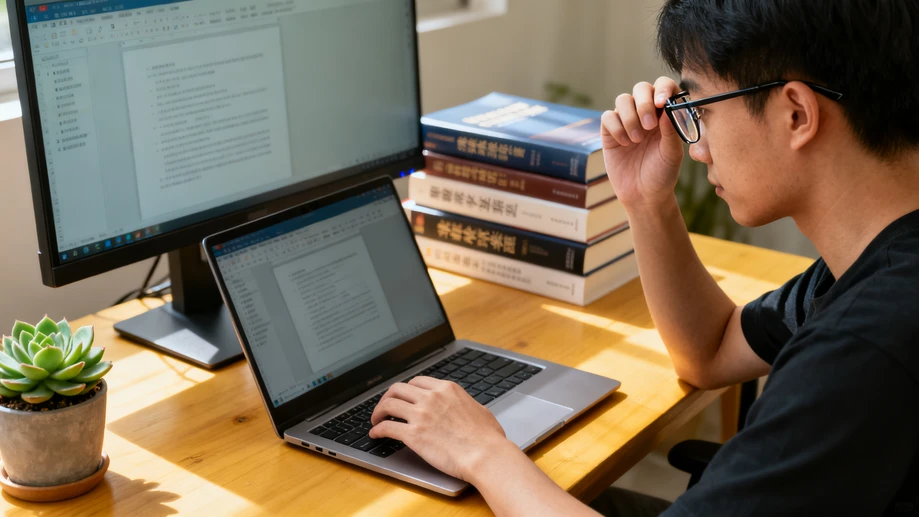
Digital screens have become the modern villain in eye health lore, with many blaming them for everything from dry eyes to blindness. While excessive screen time can cause symptoms like blurred vision or headaches, it's not the apocalyptic threat it's made out to be. Blue light from devices, though often demonized, isn't significantly harmful in normal amounts—studies indicate it's less intense than natural sunlight. The real culprit is prolonged focus without breaks, which disrupts blinking and leads to dryness. A simple fix? Try the 20-20-20 rule: every 20 minutes, look at something 20 feet away for 20 seconds. This habit reduces strain dramatically and costs nothing. For added comfort, adjusting screen brightness to match your environment and using artificial tears can work wonders. Remember, screens are tools, not toxins; it's our habits that need tweaking, not eliminating technology altogether.
Nutrition myths abound, especially the famous "carrots improve night vision" tale. It's rooted in World War II propaganda, but today, we know better. While carrots contain vitamin A, essential for eye health, relying solely on them is like expecting a single puzzle piece to complete the picture. A balanced diet rich in leafy greens, nuts, and fish provides omega-3s and antioxidants that protect against age-related issues like macular degeneration. For example, spinach and kale offer lutein, which shields the retina from harmful light. On the flip side, junk food high in sugar and fats can contribute to conditions like diabetic retinopathy. So, ditch the carrot obsession and embrace variety—eating a rainbow of foods supports overall eye wellness more effectively than any superfood claim. It's about holistic care, not quick fixes.
Finally, debunking the myth that "eye exercises can reverse vision problems" is crucial. While some techniques, like palming or focusing drills, can relieve tension, they're not cures for refractive errors. Scientific evidence confirms that exercises won't change the shape of your eye or eliminate the need for glasses in cases of true myopia. Instead, they're best as complementary practices, like yoga for your eyes, to enhance comfort during daily tasks. Relying on them alone could delay proper treatment, increasing risks. Instead, prioritize proven strategies: get adequate sleep, as it allows eyes to repair, and wear UV-blocking sunglasses outdoors to prevent sun damage. By replacing myths with facts, you empower yourself to protect your sight with simple, actionable steps. After all, clear vision starts with clear thinking—so question those old tales and see the world anew.