
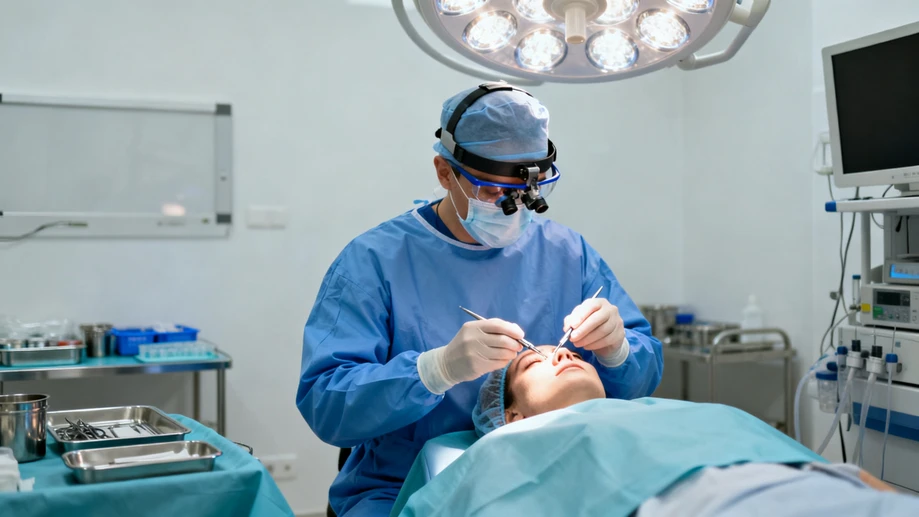
Transform Your Look Instantly with Eyelid Surgery
A fascinating journey into the world of blepharoplasty and how it can refresh your appearance.
Have you ever wondered why some people seem to have perpetually youthful, bright eyes? It might not be just good genes or expensive skincare—sometimes, it's the magic of eyelid surgery, medically known as blepharoplasty. This procedure isn't a modern-day fantasy; it's a real, accessible option that has been around for decades, helping individuals combat sagging skin, puffiness, or droopy eyelids that can make them look tired or older than they feel. Think of it as a quick tune-up for your face, where a skilled surgeon trims excess skin or fat to restore a more alert and vibrant look. It's not about creating a "new you," but rather revealing the best version of yourself that's been hidden by time or genetics. Plus, it's surprisingly common—many everyday folks, from busy professionals to retirees, opt for it to boost confidence without anyone even noticing. So, if you've caught yourself squinting in the mirror, this could be the secret behind those refreshed peepers.
Now, let's dive into how this procedure actually works—it's far less dramatic than you might imagine. Blepharoplasty typically involves small incisions made along the natural creases of your eyelids, where the surgeon carefully removes or repositions tissue. For upper eyelids, it often targets loose skin that can obstruct vision or create a hooded effect, while lower eyelid surgery focuses on reducing bags and wrinkles. The whole process usually takes one to two hours under local anesthesia, meaning you're awake but comfortable. What makes it fascinating is the precision involved; surgeons use micro-instruments to ensure minimal scarring, blending seamlessly with your natural lines. Recovery is straightforward, too—you'll likely experience some swelling and bruising for a week or so, but most people return to normal activities in about 10 days. It's not a quick-fix magic show, but a well-established medical art that combines science with aesthetics to give you results that look effortlessly natural.
Why consider this? The benefits go beyond just aesthetics—blepharoplasty can genuinely improve your quality of life. For starters, it can enhance vision by lifting droopy eyelids that block your sight, making everyday tasks like driving or reading easier and safer. Emotionally, it often leads to a confidence boost; imagine no longer feeling self-conscious about looking perpetually exhausted. Studies show that patients report increased social engagement and even career opportunities after the procedure. But it's not all roses—there are risks, like infection or temporary dryness, which are rare but important to discuss with a qualified doctor. The key is realistic expectations: this isn't a fountain of youth, but a tool to help you look as vibrant as you feel. Plus, with advancements like laser-assisted techniques, the outcomes are more predictable and satisfying than ever. So, if you're tired of relying on concealer or caffeine to fake alertness, this could be your game-changer.
Recovery is a crucial part of the journey, and it's surprisingly manageable with a bit of planning. After surgery, you'll need to rest with your head elevated to reduce swelling, apply cold compresses, and avoid strenuous activities for a week. Most people describe it as similar to recovering from a minor injury—uncomfortable but not painful, with over-the-counter pain relievers usually sufficient. By day three, you might start seeing improvements, and within a month, the final results emerge. To keep it fun, think of it as a forced vacation: binge-watch your favorite shows while your eyes heal! But remember, follow-up appointments are essential to monitor progress. And here's a quirky fact: some patients report better sleep post-surgery because they're not constantly rubbing tired eyes. Overall, the downtime is a small price for long-term gains, and with proper care, you'll be back to your routine with eyes that sparkle.
In real life, blepharoplasty stories abound with heartwarming twists. Take Jane, a 55-year-old teacher who struggled with hooded eyelids affecting her vision; after the procedure, she not only saw clearer but also felt rejuvenated enough to start a new hobby. Or consider how this surgery has roots in ancient times—Egyptians used early techniques for cosmetic purposes, proving that the desire for beautiful eyes is timeless. Today, it's not just for celebrities; ordinary people choose it for practical reasons, like combating hereditary traits. The best part? It often leads to unexpected joys, like strangers complimenting your "well-rested" look. So, if you're curious, consult a board-certified plastic surgeon to explore if it's right for you. After all, eyes are the windows to the soul—why not give yours the upgrade they deserve?