
Is Eye Surgery Really Worth the Hype?
Discovering the Realities of Cosmetic Eye Enhancements
Ever wondered why some people seem to have effortlessly perfect eyes while you’re stuck with tired-looking lids? It’s not always genetics—modern eye plastic surgery could be the secret. From celebrities to your next-door neighbor, more individuals are opting for procedures like blepharoplasty (eyelid surgery) or double eyelid creation to enhance their appearance. But is it just a fleeting trend, or does it genuinely transform lives? This fascinating journey into the world of eye enhancements begins with debunking common myths, such as the idea that these surgeries are only for the rich and famous. In reality, they’re accessible to everyday folks seeking a confidence boost. Picture a busy professional who, after years of feeling self-conscious about droopy eyelids, finally gets a subtle lift—suddenly, they’re not just looking younger; they’re commanding attention in meetings and social gatherings. The allure lies in how a small change can rewrite personal narratives, making eye surgery a hot topic in beauty circles worldwide.
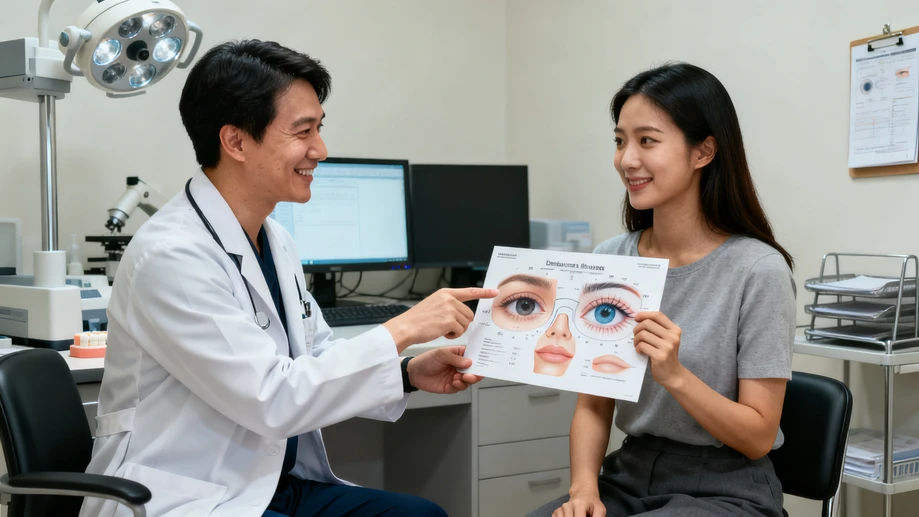
So, what exactly does eye plastic surgery entail? Primarily, it involves procedures designed to reshape the eyelids or correct issues like puffiness, sagging, or asymmetry. Common types include upper blepharoplasty to remove excess skin and fat for a more alert look, and lower blepharoplasty to tackle under-eye bags that make you appear perpetually exhausted. For those without a natural crease, double eyelid surgery creates a defined fold, often using minimally invasive techniques. These aren't sci-fi fantasies—they're grounded in real medical science, performed in outpatient clinics by certified surgeons. The process typically starts with a consultation where doctors assess your unique features, using digital imaging to simulate potential results. It’s a tailored experience, much like choosing the perfect frame for your favorite photo. Risks exist, though, including temporary swelling or rare complications like infection, so it’s crucial to pick a reputable provider. Think of it as investing in a high-quality car tune-up: you want a skilled mechanic to avoid mishaps, not a quick fix that could backfire.
Why do people dive into this? Beyond vanity, the benefits are surprisingly profound. Improved vision is a hidden perk—droopy lids can literally block your sight, making activities like driving hazardous. Surgically correcting this can restore full visual fields, enhancing safety and daily function. Aesthetically, a well-done procedure boosts self-esteem dramatically. Consider Maria, a teacher who struggled with students’ stares at her hooded eyes. After a simple blepharoplasty, she felt like a new person, radiating confidence that spilled into her classroom. Psychologically, studies show such enhancements often reduce anxiety and social avoidance, as people feel more aligned with their ideal selves. But it’s not all rosy: unrealistic expectations are a pitfall. Some hope for a complete face transformation from one minor tweak, leading to disappointment if results are subtle. The key is honest communication with your surgeon—set achievable goals. For instance, if you’re treating under-eye circles, don’t expect it to erase wrinkles entirely. It’s about enhancing your natural beauty, not creating a flawless mask.
Now, about the surgery itself—it’s usually quicker and less daunting than most imagine. Performed under local anesthesia with sedation, standard procedures take about one to two hours. Patients often describe it as feeling like a mild tugging or pressure, not pain. Recovery is straightforward: most return home the same day, sporting cool compresses and avoiding strenuous activity for a week. The first few days might involve minor bruising or swelling, which fades gradually. By week two, many are back at work, enjoying visible improvements. Long-term results evolve over months, with scars discreetly hidden in natural creases. Real-life stories abound, like James, a photographer who underwent surgery to fix asymmetry from an old injury. His before-and-after photos weren’t just about looks—they showed regained balance in his expressions, making his portraits more authentic. This underscores the art of the procedure: it’s not magic, but a skilled blend of science and aesthetics that fits seamlessly into everyday life.
Ultimately, eye plastic surgery can be a game-changer when approached wisely. However, it’s not for everyone. Consult a board-certified plastic surgeon to discuss your options—they’ll help you weigh pros and cons based on your health and desires. As the demand grows, so does the importance of informed choices. Embrace the journey with eyes wide open!