Is Your Smartphone Turning You Into a Mole Person?
Unmasking the sneaky vision saboteurs hiding in your daily habits
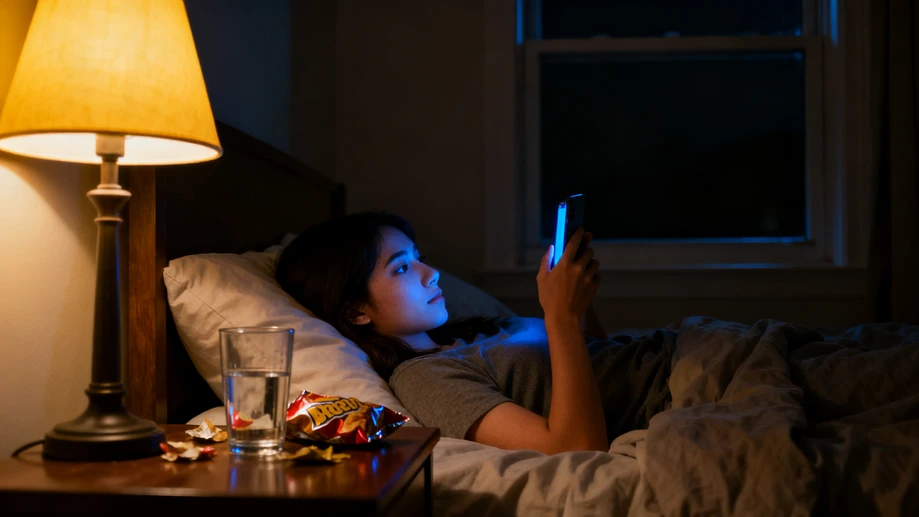
Picture this cozy evening: You're curled up in bed, phone glowing inches from your face as you doomscroll through social media. The room's pitch black except for that hypnotic rectangle of light. Congratulations! You've just enrolled in Mole Person Academy – where we train eyes to forget sunlight exists. This modern ritual isn't just stealing sleep; it's reprogramming your eyeballs to interpret darkness as their natural habitat. The blue light emitted by screens suppresses melatonin production, tricking your brain into thinking it's high noon at midnight. Meanwhile, your pupils frantically dilate and contract like overworked elevator doors, causing digital eye strain that manifests as headaches and desert-dry eyes.
Ever play the "who can stare longest without blinking" game with your laptop? Spoiler: You always lose. When focusing on screens, our blink rate plummets by 66% – from a healthy 15-20 blinks per minute to a measly 5-7. This turns your eyes into miniature Saharas. Each unblinked second allows tear film to evaporate, leaving corneas vulnerable to microscopic scratches. The solution isn't fancy eye drops but the 20-20-20 rule: Every 20 minutes, stare at something 20 feet away for 20 seconds. This simple reset button gives eye muscles a vacation while triggering natural lubrication. Pro tip: Place a small sticker near your screen that reads "BLINK!" – it's the cheapest eye insurance you'll ever buy.
Rubbing your eyes feels heavenly when they itch, right? Welcome to the scratch-and-damage paradox. Those delicate corneas are softer than wet tissue paper. Aggressive rubbing creates microscopic tears while grinding environmental debris (dust, pollen, makeup) into the surface like sandpaper. Chronic rubbers risk developing keratoconus – a bulging cornea deformity that literally warps your vision. Next time irritation strikes, try the "press and chill" method: Place chilled spoons or cucumber slices over closed lids while applying gentle pressure below brow bones. This calms inflammation without the ocular MMA match. Remember: Eyes aren't stress balls!
Think sunglasses are just summer accessories? Meet ultraviolet radiation – the silent vision thief that doesn't care if it's cloudy. UV rays penetrate cloud cover and reflect off surfaces like snow, water, and even pavement. Prolonged exposure acts like a slow-cooker for your eyes, contributing to cataracts and macular degeneration. The solution? Year-round UV400 sunglasses with polarized lenses that block both UVA and UVB rays. Bonus hack: Oversized frames provide 3x more protection than smaller styles by blocking light from all angles. Your future self will toast you with clear vision when peers are scheduling cataract surgery.
You religiously devour kale salads for glowing skin while chugging antioxidant smoothies. But when's the last time you fed your eyes? Those hardworking retinas crave lutein and zeaxanthin – pigments found in eggs, spinach, and bright orange peppers that act as natural blue-light filters. Omega-3s from fatty fish build cell membranes in retinal tissue, while vitamin C prevents age-related lens stiffening. The ultimate eye feast: A spinach omelet with smoked salmon, bell peppers, and a side of blueberries. Hydration matters too – dehydrated bodies produce fewer tears. Your eyes aren't picky; they'll happily accept water instead of expensive supplements. Eat the rainbow – your retinas will throw a gratitude party.