Can Your Smartphone Ruin Your Eyes Forever?
Science Says 68% of Screen Users Show Early Damage Signs
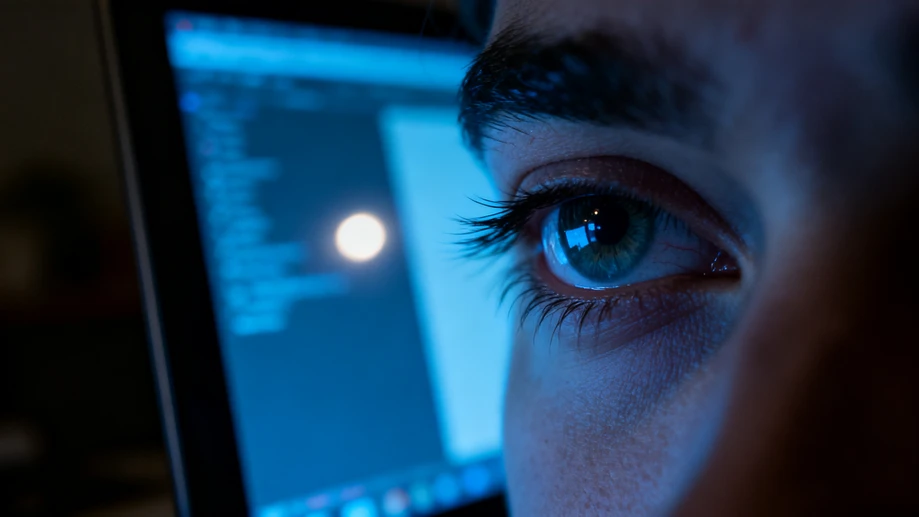
Picture the modern zombie apocalypse: not groaning flesh-eaters, but millions hunched over glowing rectangles, blinking furiously against the digital glare. We know staring at screens isn't ideal, but most of us brush it off – "I'll just blink more!" or "Night mode is on!" Yet, alarming research suggests our casual habits are silently plotting against our sight. The real villains aren't the screens themselves, but the sneaky myths we cling to for comfort.
Myth #1: Blinking Like a Windshield Wiper Saves You. While blinking refreshes the tear film, rapid, forced blinking often worsens dryness! Think of it like slapping water on a parched field – it evaporates instantly. The true hero is the 20-20-20 rule: every 20 minutes, look at something 20 feet away for 20 seconds. This lets your focusing muscle, the ciliary body, finally relax after constant close-up strain. Ignoring this is like never taking your foot off the gas pedal during a cross-country drive. That muscle needs breaks!
Myth #2: Night Mode = Digital Eye Strain Immunity. That warm, amber glow feels gentler, right? While it may slightly reduce disruptive blue light before sleep, it doesn't magic away the core problems: proximity and duration. Staring at *any* object, even a dimly lit one, inches from your face for hours forces intense focusing. Combine this with poor posture in dim rooms, creating contrast glare, and your eyes are working overtime. Night mode helps, but it's no shield against sheer screen time overload and awkward viewing angles.
Myth #3: "Watery Eyes? Must Be Allergies!" Dust and pollen aren't always the culprits. Paradoxically, chronically dry eyes often cause excessive tearing! When your eyes are irritated and parched from prolonged screen focus (which reduces natural blink rate by 66%), they panic and flood the surface with low-quality, reflex tears – like faulty plumbing that leaks. This "rebound tearing" washes away quickly, leaving the eye unprotected again. Blaming allergies every time might mean ignoring the true dry-eye villain lurking behind your monitor.
Myth #4: "My Contacts Feel Fine – I'll Wear Them Just One More Night..." Exceeding the recommended wear time for contact lenses is Russian roulette for your corneas. Your cornea breathes through the air, not your blood. Sleeping in daily lenses or stretching monthly ones starves this vital tissue of oxygen. Imagine trying to breathe through a plastic bag. The risk isn't just discomfort; it's microbial keratitis – a potentially sight-threatening infection where bacteria invade the weakened surface. That "just one more night" gamble could cost far more than a fresh pair of lenses.
Fighting back doesn't require high-tech gadgets. Start simple: Position your monitor an arm's length away, top third at or slightly below eye level. Use artificial tears *before* your eyes feel like sandpaper – proactively lubricate. Enable blue light filters *and* adjust screen brightness to match your ambient light. Schedule mandatory screen-free breaks using timers. Get annual eye exams – optometrists spot early damage you miss. Your eyes are irreplaceable cameras; treat their lenses with the care they deserve. Ditch the myths, embrace smart habits, and ensure your vision stays sharp for the long digital haul.